Dutch
Dutch Spanish
 French
 Russian
 Chinese
Park area (151 sq mi)
National park established (game reserve since 1948)
Bird species recorded
Amboseli National Park lies in southern Kenya’s Kajiado County, roughly 211 km (about a 4-hour drive) south of Nairobi, directly beneath Mount Kilimanjaro on the Kenya–Tanzania border. First protected as the Maasai Amboseli Game Reserve in 1948, it was upgraded to full national park status in 1974. Despite low rainfall, the park’s swamps — Enkongo Narok and Ol Tukai among them — stay green even in severe drought, fed by underground springs sourced from Kilimanjaro’s glacial meltwater and rainfall runoff.
Amboseli is the world’s foremost elephant landscape. Since 1972, the Amboseli Elephant Research Project, founded by Dr. Cynthia Moss, has run the longest continuous study of wild elephants anywhere — over 3,900 individuals have been identified and tracked by name across five decades, transforming global understanding of elephant social intelligence and family structure. Amboseli’s elephants are famously relaxed around vehicles, and often appear reddish from the iron-rich volcanic dust they spray on their skin as sun protection.
The park offers four of the Big Five (black rhino is absent), alongside some of the most reliable, unobstructed Kilimanjaro views anywhere in Kenya — clearest most mornings and evenings when cloud cover lifts from the summit.
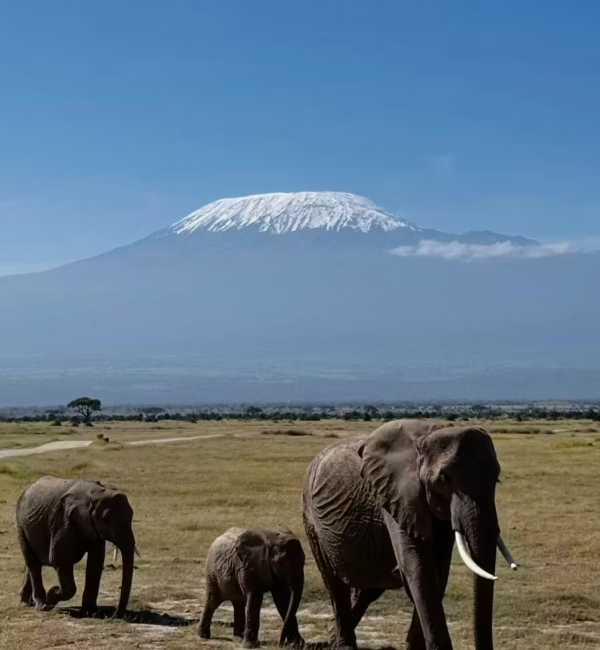
Tap a season on the loop to see how conditions shift for wildlife concentration and mountain visibility.
A dry, warm spell often brings some of the clearest Kilimanjaro views of the year, especially in the early morning before afternoon haze builds.
Good to know: Mount Kilimanjaro is usually clearest in the early morning and evening, before afternoon cloud builds around the summit — plan your best photo opportunities accordingly.
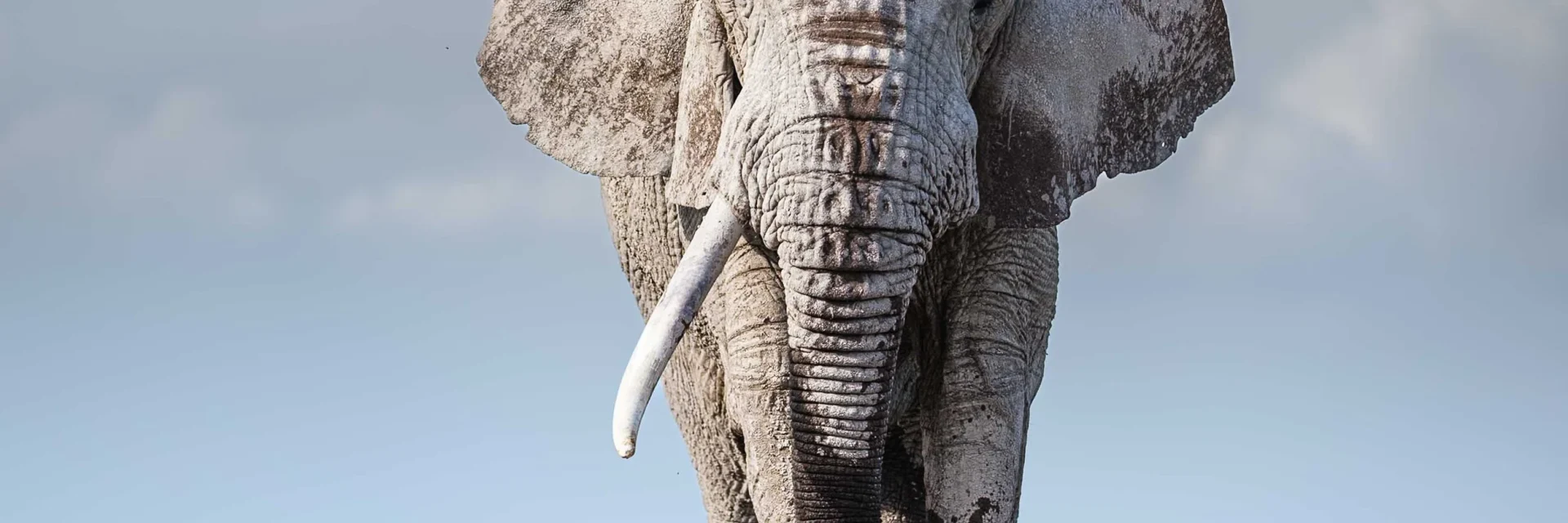
The park's permanent water source and its most reliable wildlife-viewing area, where elephant families wade and wallow even at the height of the dry season.
A vast, cracked, dusty pan for most of the year, occasionally filling after heavy rains — a striking, otherworldly landscape in its own right.
A rare walkable viewpoint offering panoramic views over the swamps, plains, and Kilimanjaro itself — one of Amboseli's signature stops.
Bordering the park, these Maasai-run conservancies offer walking safaris, night drives, and cultural visits not available inside Amboseli itself.
| Season | Months | Conditions | Highlights |
|---|---|---|---|
| Dry season / peak | Jul - Oct | Dry and dusty — wildlife concentrates around the permanent swamps. | The most reliable elephant and general game viewing of the year. |
| Dry, clear skies | Jan - Mar | A warm, mostly dry interlude between the rains. | Often the clearest Kilimanjaro views of the year, especially at dawn. |
| Short rains | Nov - Dec | Brief showers, plains greening up. | Migratory birds arrive; fewer visitors than peak season. |
| Long rains / green season | Apr - May | Heaviest rainfall; the dry lakebed can fill with water. | Lush scenery and the quietest, cheapest time to visit. |
| Green-up | Jun | Rains easing, landscape still lush. | A good transitional window ahead of the dry-season peak. |